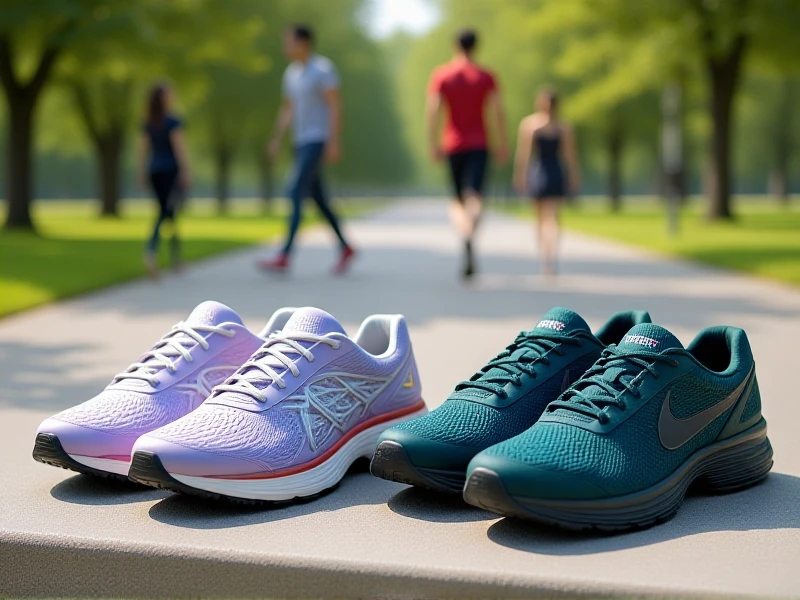
The Ultimate Guide to Finding Your Perfect Pair of Women's Running Shoes in 2024
Choosing the right Womens Running Shoes is crucial, whether you're hitting the pavement for the first time or training for a marathon. Your feet deserve the best support, cushioning, and technology to keep you comfortable and injury-free mile after mile. But with so many options flooding the market, how do you find your perfect match? Let’s break down the essentials.
Understand Your Foot & Gait: It all starts with how your foot moves! Are you an overpronator (foot rolls inward excessively), an underpronator/supinator (foot rolls outward), or blessed with neutral pronation? Visiting a specialty running store for a gait analysis provides invaluable insight. This determines the support level you need:
- Stability/Support Shoes: Designed for overpronators, featuring medial posts or firmer foam to guide the foot.
- Neutral Shoes: Offer cushioning without corrective support, ideal for neutral runners or mild pronators.
- Maximalist Cushioned Shoes: Provide plush, shock-absorbing layers for comfort on long runs or for runners prioritizing joint protection.
Terrain Matters: Where will you primarily run? Shoes are engineered for specific surfaces:
- Road Running Shoes: Lightweight, flexible, and designed for asphalt or concrete. They prioritize cushioning and responsiveness.
- Trail Running Shoes: Feature aggressive lugs for superior grip on dirt, mud, and rocks, plus added protection (rock plates) and often a more durable upper.
Cushioning Feel: Cushioning is personal preference. Do you crave:
- Soft, Plush Landings? Look for maximalist cushioning or foams like Nike React, Brooks DNA LOFT, or ASICS FF BLAST .
- Responsive, Snappy Feel? Shoes with firmer, propulsive foams like Adidas Lightstrike Pro or Puma Nitro offer more energy return and ground feel.
The Perfect Fit is Non-Negotiable: Comfort is king (or queen!). Always:
- Measure & Fit in the Afternoon: Feet swell during the day. Wear your typical running socks.
- Leave Space Up Front: Aim for a thumbnail’s width (approx. 1/2 inch) between your longest toe and the shoe's end. Your foot expands forward when running.
- Check Heel Lock & Midfoot: Your heel should be secure without excessive lifting, and the midfoot should feel snug, not pinched.
- Test Run: Jog down the aisle. No slipping, pinching, or hot spots should occur.
Key Innovations for Women: Leading brands design Womens Running Shoes specifically, not just scaled-down men's models. This means considerations like:
- Narrower Heels: To prevent slippage.
- Different Density Foam: Often softer in the forefoot relative to men’s versions for lighter frames.
- Adapted Upper Shapes: Accommodating different foot shapes effectively.
Don’t Forget Replacement! Running shoes lose their cushioning and support typically between 300-500 miles. Worn-out shoes drastically increase injury risk – listen to your body and your soles!
Finding the ideal Womens Running Shoes is an investment in your running journey, performance, and well-being. Focus on your unique needs—foot type, running surface, and cushioning preference. Visit knowledgeable retailers, prioritize fit above looks, and enjoy those comfortable, blister-free miles! Your perfect pair is out there waiting to take you further.